

Sweet Potato and Broccoli Patties for Babies and Toddlers: Finger Food for Baby (7 months+)

If you've been searching for the perfect first finger food for your baby — something nutritious, easy to hold, soft enough for little gums, and genuinely delicious — this is it. These sweet potato and broccoli patties have become one of the most requested recipes in my community, and once you make them, you'll understand why.
They come together with simple, everyday ingredients most households already have. They freeze beautifully. They work for the whole family. And they pack an impressive amount of nutrition into every single bite —
beta-carotene,
iron,
Vitamin C,
fibre,
healthy fats, and
protein, all in one little patty that your baby can pick up and feed themselves.
Whether you're just starting solids and looking for your very first baby-led weaning foods, or you have a toddler who's going through a picky-eating phase and needs something new, these patties will become a staple in your kitchen. They're one of the best homemade baby snacks India has to offer — no salt, no sugar, no preservatives, just real food.
Why These Are the Best Homemade Finger Foods for Babies Starting Solids
Let me walk you through what's actually happening nutritionally in this recipe — because this isn't just a cute finger food. Every single ingredient is earning its place.
Sweet potato is one of the best starting solids foods you can offer a baby. It's rich in beta-carotene, which the body converts to Vitamin A — essential for eye development, immune function, and healthy skin.
It's naturally sweet, easy to digest, and its soft, starchy texture is what holds these patties together. It's also a brilliant baby food for weight gain thanks to its healthy carbohydrate content.
Broccoli brings Vitamin K, Vitamin C, calcium, and folate to the mix. It's also a great source of plant-based iron — and because it's paired here with the Vitamin C from the sweet potato and carrot, your baby's body will absorb that iron far more effectively.
If you haven't already, read my full iron guide here because iron is the most critical nutrient to focus on when starting solids, particularly for babies and toddlers in vegetarian households.
Carrot adds more beta-carotene, potassium, and a gentle natural sweetness that most babies love. It also helps with the patty's texture.
Oat flour or your flour of choice binds everything together and adds fibre and complex carbohydrates for sustained energy. I'll walk you through all the flour options below — there's a version of this recipe that works for every family, including gluten-free households.
Cheese adds calcium, protein, and healthy fat — and honestly, it also makes these patties taste incredible. For babies under 12 months, use mozzarella. For toddlers, cheddar or Monterey Jack works beautifully.
For more on why healthy fats matter so much in complementary feeding, check out my nutrition boosters post here.
Butter and oil for cooking — and please don't skimp on this. Healthy fats are critical for brain development, healthy weight gain in babies, and the absorption of the fat-soluble vitamins in these vegetables. Use them liberally! The more fats added in baby's food, the better! Read more about different fat sources here.
Are These Homemade Baby Patties Safe for Babies?
Yes — these patties are safe from 6 months onwards, making them one of the earliest soft finger foods for babies starting solids you can offer.
Here's how to adapt them by age:
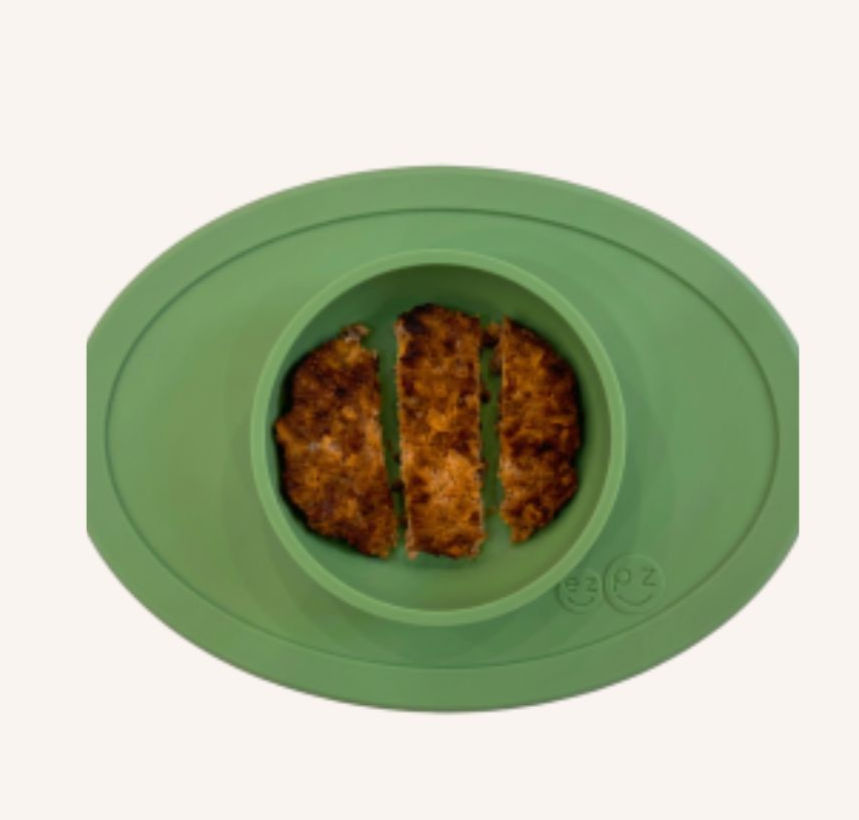
6–9 months (baby-led weaning first foods stage): Cut the patty in half and offer as a larger piece that your baby can wrap their whole hand around — this works perfectly with the palmar grasp that most babies have at this age. The patty should be soft enough to squish easily between your fingers before serving.

9–12 months: Cut into smaller bite-sized pieces. Your baby is developing a more refined pincer grasp and can manage smaller pieces confidently now.
12 months+: Serve whole, in strips, or cut into pieces depending on what your toddler prefers. These make a great toddler finger food and work brilliantly in a lunchbox.
Allergen Check — Important for Starting Solids
This recipe may contain several common allergens depending on your ingredient choices:
Gluten — present in oat flour, semolina, wheat flour, and besan. Introduce these separately first. Read more about how to introduce wheat to baby here.
Dairy — present in the cheese. Introduce dairy separately before making this dish. Read more about how to introduce dairy to baby here.
Eggs — if adding egg yolk. Introduce eggs separately first. Read more about how to introduce eggs to baby here.
Tree nuts — if using almond flour. Introduce almonds separately first. Read more about how to introduce tree nuts to baby here.
Always introduce allergens one at a time before combining them in a dish like this. For a complete, step-by-step guide to introducing allergens safely to your baby, read my full allergen introduction guide here.
The Recipe:
Homemade Sweet Potato Broccoli Patties for Babies
Makes 10–12 patties | Prep: 15 minutes | Cook: 15 minutes | Freezer-friendly | No added salt for baby under 12 months | Baby led weaning friendly
Ingredients
Vegetables:
1 small to medium sweet potato
1 small carrot
A few florets of broccoli
To bind:
½ to ¾ cup oat flour (or besan, almond flour, wheat flour, or atta — see flour guide below)
¼ cup suji (semolina)
For flavour and nutrition:
A generous handful of shredded mozzarella (under 12 months) or cheddar/Monterey Jack (12 months+)
A little oil rubbed on your hands for shaping
Optional add-ins (all baby-safe):
¼ cup sweet corn or green peas
1 boiled egg yolk (brilliant iron and protein boost — especially great for complementary feeding)
Shredded cooked chicken or minced meat (for non-vegetarian families)
A pinch of mild spices: cumin, coriander, or turmeric (safe from 6 months)
For cooking:
Generous amount of butter + olive oil (or ghee, coconut oil, or sesame oil)
No added salt — the cheese provides all the sodium your baby needs. Read more about salt in my guide here.
What kind of Flour should I use?
One of the things that makes this recipe so popular is how flexible it is. Here's how each flour option works:
Oat flour — my personal favourite for baby led weaning recipes. Just blend 2 cups of rolled oats into a fine powder in a blender. High in fibre, gentle on digestion, naturally gluten-free if using certified GF oats, and excellent for babies starting solids.
Besan (chickpea flour) — one of the best choices for Indian households. Excellent source of plant-based protein and iron, making this already iron-rich recipe even more nutritious.
Almond flour — higher in healthy fats and protein. A great option once tree nuts have been safely introduced. A brilliant baby food for weight gain.
Atta (whole wheat flour) — widely available, works perfectly, adds fibre and complex carbohydrates.
White flour (maida) — works as a binder but offers less nutrition than the options above. Fine to use occasionally.
Semolina (suji) — I always add a quarter cup regardless of which main flour I use. It gives the patties a slightly gritty texture that helps them hold together and creates a wonderful golden crust when pan-fried.
Method
Step 1 — Boil the vegetables In a pressure cooker, combine the sweet potato, carrot, and broccoli florets. Cook until completely soft — they should be very tender and easy to mash. Remove, drain well, and allow to cool completely before handling.
Step 2 — Mash In a large bowl, combine all the cooked vegetables and mash with a fork or potato masher. You want the mixture to be slightly coarse — not a smooth purée. This texture is important both for the structure of the patties and for giving your baby something satisfying to chew on. Do not over-mash and do not blend.
Step 3 — Add your extras This is where you customise. Stir in sweet corn, peas, or a boiled egg yolk if using. Add the shredded cheese and mix well. For a non-vegetarian version, add shredded cooked chicken or minced meat at this stage.
Step 4 — Bind with flour Add the suji first, then start with half a cup of your chosen flour. Mix thoroughly. Keep adding flour, a little at a time, until the mixture holds its shape when pressed firmly in your hand. The test: a handful pressed together should form a patty shape and hold — if it runs through your fingers or falls apart when shaped, add more flour.
Step 5 — Shape the patties Rub a little oil on your hands — this prevents sticking and makes shaping much easier. Take a small amount of mixture and press firmly into a round patty shape, roughly 1–1.5cm thick. This thickness ensures even cooking all the way through.
Step 6 — Cook Heat a pan over medium-low heat and add a generous amount of butter and olive oil — or ghee, coconut oil, or sesame oil. Place the patties in the pan and cook for 2–3 minutes on each side until golden. Press gently in the centre to check they're firm and cooked through. The outside should be golden and slightly crisp; the inside should be soft and mashable.
Step 7 — Cool and serve Remove from the pan and allow to cool completely before serving your baby. Always test the temperature yourself first — it should be warm, not hot.
Expert Tips for the Best Homemade Baby Finger Foods
On texture: The slightly coarse mash is intentional — it gives the patties structure and gives your baby something to chew on. A smooth mixture will make patties that fall apart and offer less textural learning. Aim for a consistency where you can still see small flecks of vegetables.
On fat: I always use two sources of fat when cooking — usually butter and olive oil together. Using fat liberally is recommended when cooking for your baby and toddler. It's essential for brain development, healthy weight gain, and the absorption of the fat-soluble vitamins packed into these vegetables.
On batch cooking: Double or triple this recipe and freeze the extras. These patties freeze and reheat brilliantly — perfect for busy days when you need a healthy baby snack on the table in minutes.
On constipation: The oat flour, broccoli, and sweet potato in this recipe are all high in fibre, which is wonderful for digestion. Constipation when starting solids is very common — if your baby struggles with it, read my full constipation guide for guidance on managing it through food choices.
On protein: Adding egg yolk, cheese, besan, or shredded chicken turns these patties into a genuinely protein-complete meal. Read my protein guide here to understand why protein balance matters more than hitting specific numbers at this age.
Here are some protein-rich meal ideas to try.
How do I store these patties?
Fridge: Store cooked patties in an airtight container for up to 2 days. Warm for 30 seconds in the microwave before serving, or in a hot pan for 1-2 minutes.
Freezer: Freeze cooked patties in a single layer on a lined tray, then transfer to a freezer bag or airtight container. They keep for up to 1 month. Reheat in a pan with a little butter or in the oven at 180°C until warmed through. Avoid microwaving — they go soggy.
Uncooked patties: You can freeze uncooked shaped patties too. Layer with parchment paper and freeze. Cook from frozen in a pan over medium-low heat, adding a couple of extra minutes per side.
Frequently Asked Questions About Finger Foods for Babies Starting Solids
When can babies have finger foods?
Soft finger foods can be introduced from 6 months onwards, as soon as your baby shows signs of readiness for starting solids. The key word is soft — any finger food should squish easily between your fingers before offering it to your baby. These patties are specifically designed to meet that standard.
My patties keep falling apart. What went wrong?
You need more flour. Add it one tablespoon at a time, mixing well between each addition, until the mixture holds its shape when pressed. The suji (semolina) also helps significantly with binding — make sure you've included it.
Can I bake these instead of pan-frying?
Yes! Place on a lined baking tray, brush generously with oil or melted ghee, and bake at 180°C for 15–20 minutes, flipping halfway. They won't get quite as golden as pan-fried but are still delicious and are a great lower-mess option.
Can I add spices to homemade baby food recipes?
Absolutely — mild spices are completely safe for babies from 6 months. A pinch of cumin, coriander, or turmeric adds wonderful flavour without any salt. For toddlers, you can be more generous with spicing.
Are these good for baby weight gain?
Yes — the combination of complex carbohydrates from the sweet potato and flour, healthy fats from the butter and oil, protein from the cheese and optional egg yolk, and calorie-dense vegetables makes these genuinely nourishing for babies who need support with healthy weight gain. Every calorie comes from real, whole food!
Can I use frozen vegetables?
Absolutely. Frozen broccoli and frozen peas work just as well as fresh. Make sure they're fully cooked and well drained before mashing — excess water will make the mixture too wet and the patties won't hold together.
Are these good for baby-led weaning beginners?
These are actually one of the ideal baby-led weaning first foods precisely because of their shape and texture. They're soft enough to squish safely, hold together well enough to pick up, and are the right size for a palmar grasp at 6 months. They're a brilliant starting point for BLW in India.
Other Baby and Toddler Recipes You'll Love
Want a Personalised Meal Plan for Your Baby or Toddler?
Every baby is different. While these patties are designed to be nutritious and age-appropriate, they are a general guide — not a substitute for personalised nutrition advice.
If your baby or toddler is struggling with weight gain, has a poor appetite, has food allergies or intolerances, or you simply aren't sure where to start with solids, then I offer 1:1 nutrition consultations where we look at your child's full picture and build a plan that fits your family's lifestyle, dietary restrictions, and needs.
Every consultation includes a customised 4-week meal plan tailored specifically to your child's age and nutritional requirements. Email me at easydesiblw@gmail.com or use the link below to book a consultation!


