

Moong Dal Idli for Babies and Toddlers: The Easiest Protein-Rich Finger Food (Safe from 6 Months!)

If there's one recipe I make on repeat for my kids, it's this one.
Moong dal idli — soft, steamed mung lentil cakes that are protein-rich, iron-packed, incredibly easy to make, and genuinely loved by babies and toddlers alike.
They require no fancy equipment beyond an idli stand, come together in minutes once the dal is soaked, and work as a meal, a snack, or an on-the-go finger food that the whole family can enjoy.
If you're a vegetarian family, or a family like mine that doesn't eat much red meat, this recipe is going to become one of your best friends. Because protein doesn't always have to mean meat or eggs.
Rotating daals, beans, tofu, paneer, nuts, seeds, and fish gives your baby and toddler exposure to so much more variety — and moong dal is one of the most nutritious, easiest-to-digest plant proteins you can offer a young child.
These are soft enough for babies just starting solids, easy enough to hold for baby-led weaning, and versatile enough to level up for older toddlers. Let me walk you through everything.
Why Moong Dal Idli Is One of the Best Homemade Baby Foods
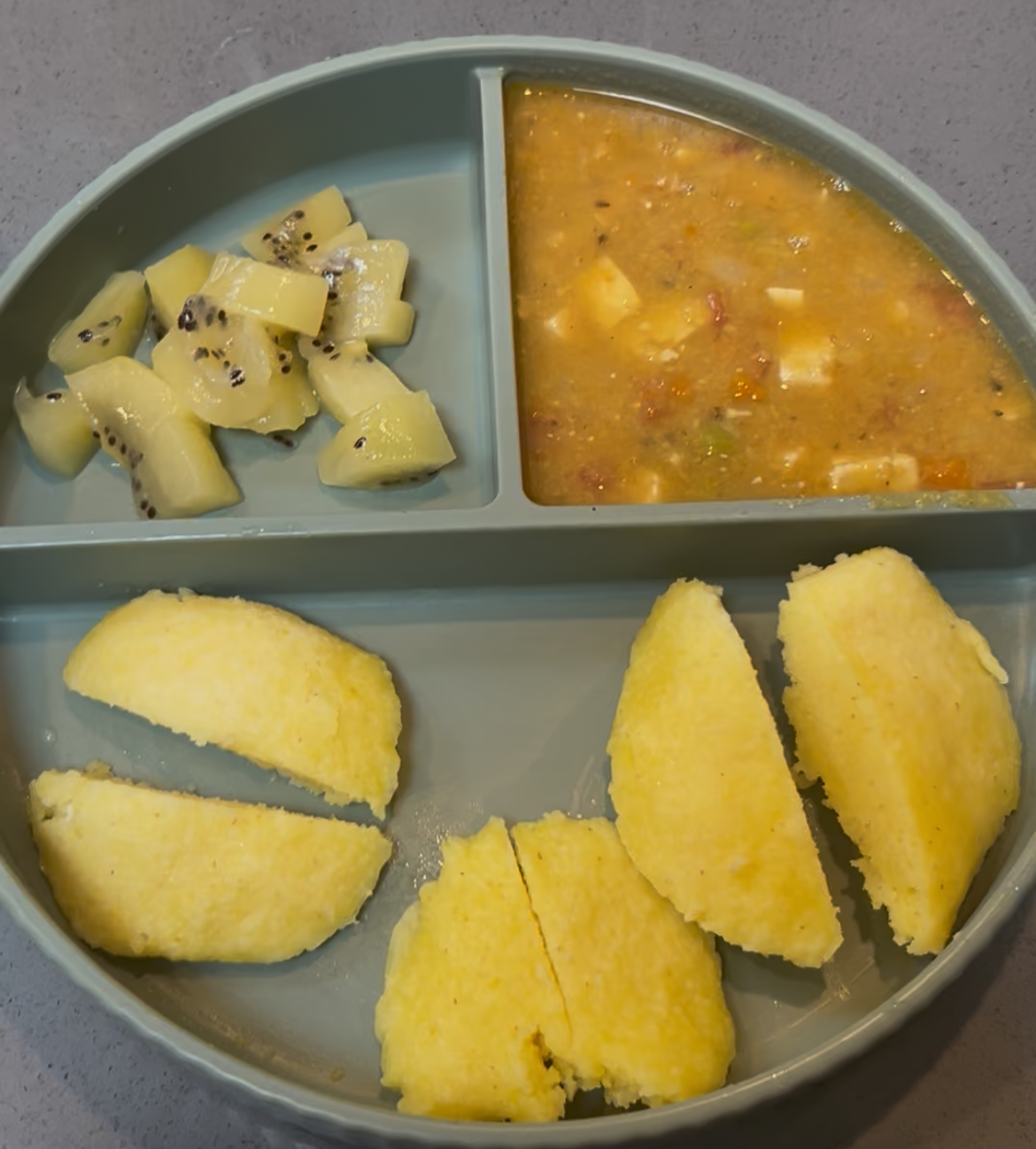
This isn't just a convenient recipe — it's a genuinely impressive one nutritionally. Here's what makes it so good for babies and toddlers:
Moong dal (split mung lentils) is one of the most baby-friendly legumes available. It's high in plant-based protein, iron, folate, and fibre — all critical nutrients in the complementary feeding window.
It's also one of the easiest dals to digest, which makes it perfect for younger babies whose digestive systems are still maturing. For vegetarian families especially, moong dal is one of the most reliable sources of iron available — and if you haven't already, read my full iron guide here to understand why iron is the single most important nutrient to prioritise when starting solids.
Semolina (suji) adds complex carbohydrates for sustained energy and helps give these idlis a slightly firmer texture that holds together beautifully as a finger food. It's a staple in Indian baby food for good reason.
Full-fat yogurt brings calcium, protein, and probiotics to the mix — supporting bone development and gut health at the same time. Always use full-fat for babies and toddlers under 2 years.
Turmeric is a wonderful mild spice that is completely safe from 6 months and adds anti-inflammatory benefits along with that beautiful golden colour that makes these idlis so visually appealing to little ones.
No added salt for babies under 12 months — these idlis are completely flavourful without it, and the moong dal and yogurt naturally provide enough sodium for your baby's needs. Read my full salt guide here to understand exactly why salt should be avoided in the first year.
Are Moong Dal Idlis Safe for Babies?
Yes, these idlis are safe from 6 months onwards, making them one of the earliest and best baby-led weaning first foods you can offer. Here's how to adapt them by age:
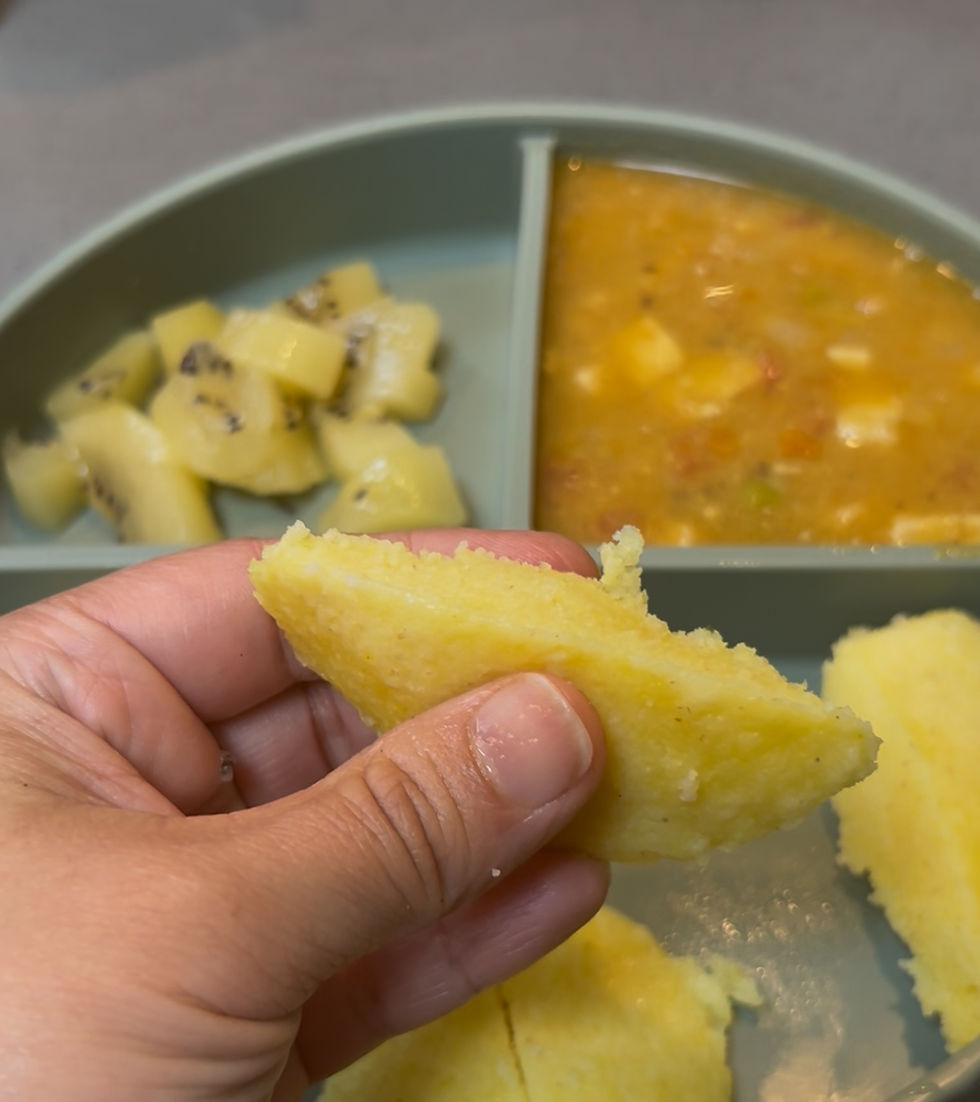
6–9 months (starting solids stage): Serve whole or cut in half — the idli shape is perfect for a palmar grasp. Make sure they're soft enough to squish easily between your fingers before serving. Keep them plain and simple at this stage. Serve alongside dal, soup, or soft steamed vegetables.
9–12 months: Cut into smaller pieces or quarters. Your baby's pincer grasp is developing and they can manage smaller pieces independently. A wonderful stage to start dipping into yogurt or dal.
12 months+ (toddlers): Serve whole or sautéed in ghee with finely chopped vegetables for extra flavour and nutrition. Serve with sambar, chutney, yogurt, or their favourite dip. Add a small pinch of salt to the batter for toddlers over 12 months if desired.
Allergen Check
This recipe contains:
Always introduce allergens individually before combining them. Read my complete allergen introduction guide here for a full step-by-step walkthrough.
The Recipe: Moong Dal Idli for Babies and Toddlers
Makes 12–15 idlis | Prep: 5 minutes + 3–4 hours soaking | Cook: 15–20 minutes | Freezer-friendly | No added salt for under 12 months
Ingredients
1 cup moong dal (split mung lentils), washed and soaked for 3–4 hours
⅓ cup semolina (suji)
½ cup full-fat yogurt (dahi)
¼ cup water
1 teaspoon baking soda or Eno
1 teaspoon oil (for the batter)
1 teaspoon turmeric
1 tablespoon salt — for toddlers over 12 months only. Do not add salt for babies under 12 months.
Oil or ghee for greasing the idli stand
Optional add-ins:
Finely chopped or grated vegetables (carrot, spinach, zucchini, peas — whatever you have)
Finely chopped coriander
Method
Step 1 — Soak the moong dal. Wash 1 cup of moong dal thoroughly and soak in plenty of water for 3–4 hours. This softens the lentils, makes them easier to blend, and improves digestibility — especially important for babies.
Step 2 — Blend. Drain the soaked moong dal and add to a blender. Blend until you get a smooth, thick batter. You don't need to add water at this stage — the soaked dal has enough moisture.
Step 3 — Mix the batter. Transfer the blended dal to a large bowl. Add the semolina, full-fat yogurt, and water. Mix everything well until you have a smooth, pourable batter with no lumps. If adding finely chopped or grated vegetables, stir them in now.
Step 4 — Prepare the steamer. Get your idli stand and steamer ready. Fill the steamer pot with enough water to steam for 20 minutes without running dry. Grease each idli mould generously with oil or ghee — this prevents sticking and makes the idlis easier to remove cleanly.
Step 5 — Add the leavening. Just before pouring the batter, add 1 teaspoon of baking soda or Eno and 1 teaspoon of oil. If making for toddlers over 12 months, add the salt now. Mix quickly and gently — you want to keep the air bubbles in the batter as this is what makes the idlis light and fluffy.
Step 6 — Pour and steam. Pour the batter into the greased idli moulds — fill each one about ¾ full to allow room for rising. Place the stand in the steamer, cover with a lid, and steam on medium heat for 15–20 minutes.
Step 7 — Check and cool. To check if the idlis are cooked through, insert a toothpick or skewer into the centre — it should come out clean. If not, steam for another 3–5 minutes. Once done, remove from the steamer and allow to cool completely before serving your baby. Always test the temperature yourself first.
How to Serve Moong Dal Idlis by Age
6–9 months: Serve whole or halved — the round shape is perfect for little hands to grab. Keep it simple at this stage.
Pair with a small bowl of daal or sambar for dipping, soft steamed vegetables on the side, or a spoonful of plain yogurt. This is a complete meal for babies just starting solids. Read my starting solids guide here for more on what to pair with first finger foods.
9–12 months: Cut into quarters or smaller pieces as your baby's pincer grasp develops. Try dipping into homemade chutney, daal, or yogurt — this is a wonderful way to introduce new flavours and practice self-feeding. Serve alongside soft fruit for a balanced meal.
12 months+ (toddler upgrade): This is where you can really level these up. Sauté the cooked idlis in a pan with ghee and finely chopped vegetables for a crispy, flavourful version that toddlers love.
Serve with sambar, coconut chutney, tomato chutney, yogurt, or hummus. Pack into a lunchbox for a portable, filling toddler snack. Add a small pinch of salt to the batter for toddlers over 12 months.
Ways to Level Up These Idlis as Your Baby Grows
One of the things I love most about this recipe is how naturally it grows with your child. Here are some easy ways to add variety and nutrition as your baby gets older:

Add hidden vegetables to the batter: Finely grated carrot, spinach, zucchini, or beetroot blend seamlessly into the batter and add colour, fibre, and vitamins without changing the texture or flavour significantly. Great for fussy toddlers!
Boost the iron: Add a teaspoon of pumpkin seed powder or ground flaxseed to the batter for an extra iron and omega-3 boost. Both are completely tasteless and blend in without detection. Read my full nutrition boosters guide here for more ideas on how to boost nutrition for your baby and toddler.
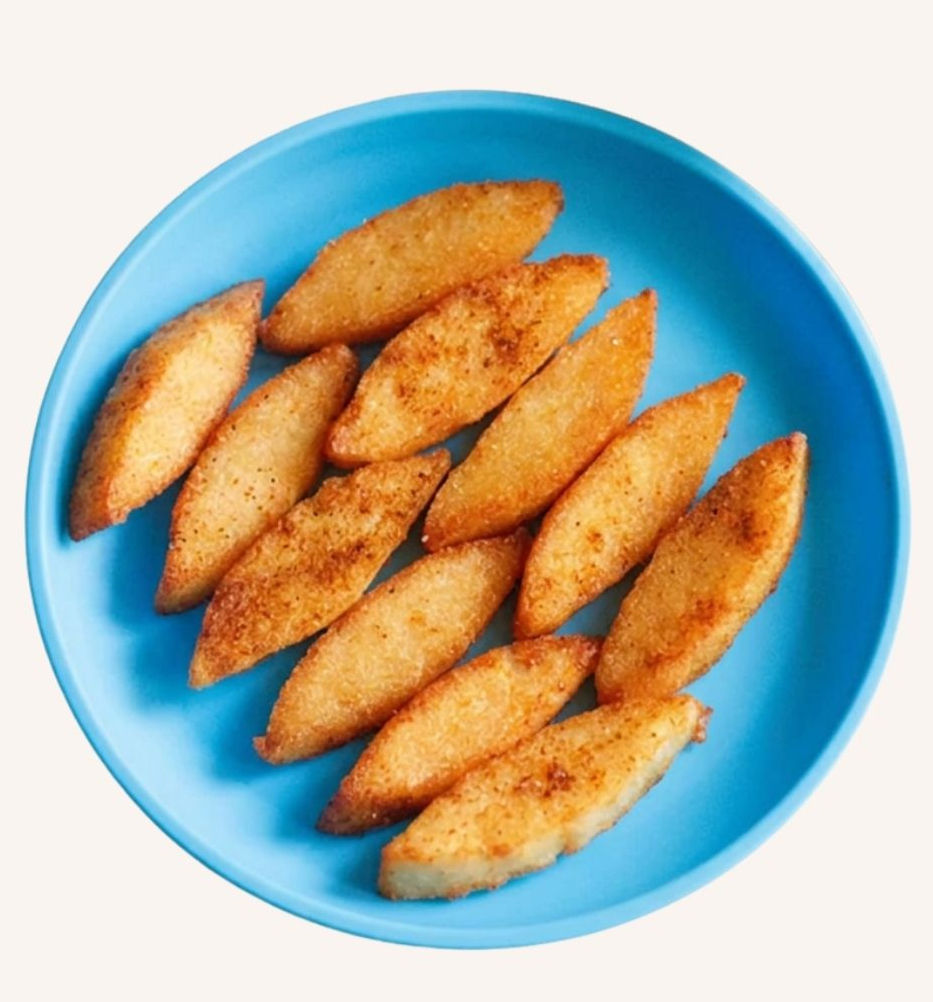
Sauté in ghee: Once your baby is a confident eater, lightly pan-fry the steamed idlis in ghee with a pinch of mustard seeds and curry leaves. The crispy exterior and soft interior is irresistible for toddlers looking for some extra texture challenges.
Serve with protein on the side: Pair with daal, soup, pan fry with a boiled egg, soft paneer, tofu or shredded chicken for a complete and balanced meal. Read my protein guide here for why variety in protein sources matters more than quantity at this age.

Make mini idlis: Pour the batter into mini idli moulds for bite-sized pieces that are even easier for little hands to pick up and perfect for the pincer grasp stage.
Expert Tips
On soaking: Don't skip the soaking step. Soaking the moong dal for 3–4 hours not only makes it easier to blend but also improves digestibility and increases the bioavailability of the iron and protein in the lentils. If you're short on time, a minimum of 2 hours will work, but longer is better.
On consistency: The batter should be thick but pourable — similar to a thick pancake batter. If it's too thick, add a little more water. If it's too thin, add a little more semolina (sooji) and let it sit for 5 minutes to absorb.
On the leavening: Add the baking soda or Eno right before pouring the batter — not earlier. This is what creates the light, fluffy texture. Mixing it in too early means the idlis will be dense rather than airy.
On greasing: Be generous with the oil or ghee on the idli moulds. This is the single most important step for getting idlis that come out cleanly without tearing.
On constipation: Moong dal and semolina are both gentle on digestion and unlikely to cause constipation — one of the reasons moong dal is such a popular first food in India. If constipation is something you're navigating with your baby, read my full constipation guide here.
How to store
Fridge: Store cooked idlis in an airtight container for up to 2 days. They harden slightly in the fridge, so make sure to sprinkle a few drop of water onto the idlis and then microwave them for 10-20 seconds before serving.
Freezer: These freeze beautifully. Allow to cool completely, freeze in a single layer on a lined tray, then transfer to a freezer bag or container. You can freeze them for upto 1 month. Reheat by steaming for 3–5 minutes or warming in a pan with a little ghee. Do not microwave — they go rubbery.
Batter: You can also store the uncooked batter in the fridge for up to 24 hours. Add the baking soda or Eno only just before steaming.
Frequently Asked Questions
Can I make moong dal idli without an idli stand?
Yes! You can use a muffin tin in a steamer, small silicone moulds in a pot with a rack, or even ramekins covered with foil and steamed in a large pot with a lid. The cooking time may vary slightly — check with a toothpick.
Can I use whole moong dal instead of split moong dal?
Split moong dal (yellow) is easier to blend and digest, making it the better choice for babies. Whole green moong works too but will require a longer soak (6–8 hours) and may give a slightly coarser texture.
My idlis are coming out dense. What went wrong?
The most likely cause is adding the baking soda or Eno too early, or not mixing it in quickly enough. Add it right before pouring the batter, mix briefly and gently, and steam immediately.
Can I add vegetables to the batter?
Absolutely — finely grated or very finely chopped vegetables work beautifully. Just make sure they're cut small enough that they don't affect the idli's structure or create a choking risk for younger babies.
Are moong dal idlis good for baby weight gain?
They're a good source of protein and complex carbohydrates, which support healthy growth. To increase calorie density for babies who need extra support with weight gain, sauté in generous ghee before serving and pair with a calorie-dense dip like full-fat yogurt or nut butter thinned with water. Here's more information about healthy fats for kids.
Can I make these without semolina?
Yes — if you need a gluten-free version, replace the semolina with rice flour or certified gluten-free oat flour. The texture will be slightly different but the idlis will still hold together well.
Are these suitable for baby led weaning beginners?
These are one of the most ideal baby led weaning first foods for Indian families precisely because of their soft texture, easy-to-hold shape, and impressive nutritional profile. They're gentle on digestion, free from common allergens (once dairy has been introduced), and perfectly sized for a palmar grasp.
Other Baby and Toddler Recipes You'll Love
Struggling with what to cook daily for your Baby or Toddler?
Every baby is different. While these idlis are designed to be nutritious and age-appropriate, they are a general guide — not a substitute for personalised nutrition advice.
If your baby or toddler is struggling with weight gain, has a poor appetite, has food allergies or intolerances, or you simply aren't sure where to start with solids, then I offer 1:1 nutrition consultations where we look at your child's full picture and build a plan that fits your family's lifestyle, dietary restrictions, and needs.
Every consultation includes a customised 4-week meal plan tailored specifically to your child's age and nutritional requirements. Email me at easydesiblw@gmail.com or use the link below to book a consultation!


